Loan Planning Blending Into Everyday Payment Habits for Many Users
House Loan Estate Sell Mortgage Concept
In today’s rapidly changing financial world, managing personal finances has turned into a complicated balancing act of juggling expenses, savings, and debts. Loan planning, which has quietly been making its way into our payment habits, is changing the whole way of people’s financial commitments. The intersection of habitual bill payments and loan management tactics reveals a substantial trend that is worthy of further exploration.
The Evolving Financial Ecosystem
The spread of digital financial services has completely changed the way people handle their money. With the introduction of fintech solutions, users are given more power and freedom to connect various financial transactions, from paying bills to investing in their future, in a seamless manner. The digital revolution is not simply changing the mode of the transactions but also the people’s thoughts about loan planning.
Understanding the New Norm
Where everything is done conveniently via only a few clicks, the wish and even the need for total integration of financial solutions grow stronger and stronger. The users increasingly find it normal to have their loans managed in conjunction with their everyday expenditures. This change is not just a transient fad but a substantial shift in consumer behaviour reflecting a more comprehensive view of personal finance.
Where once consumers treated loans as separate financial products, now they look at them as elements of their overall financial strategy, alongside everyday activities like paying utility bills. The merger of these components into one single framework is assisting users in becoming more aware of their financial wellness.
Read More: Cost Components Involved When You Apply for a Gold Loan
The Importance of Financial Literacy
The main factor behind this big change is the rising acknowledgment of financial literacy. As the number of financially educated people keeps growing, they realize that loans, if managed properly, can be a great source of increased buying power and financial stability in the long run. This recognition has led to an increased demand for better instruments and more qualified personnel to facilitate the performance of loan management routines in daily financial habits.
Financial education is instrumental in bringing about this change. Being able to understand concepts such as interest rates, amortisation schedules, and repayment options empowers people to make the best possible choices. Armed with the right information, users will be able to integrate loan planning with their regular bill payments without any inconvenience, thus ensuring that financial obligations are not turning into burdens.
Digital Solutions Leading the Charge
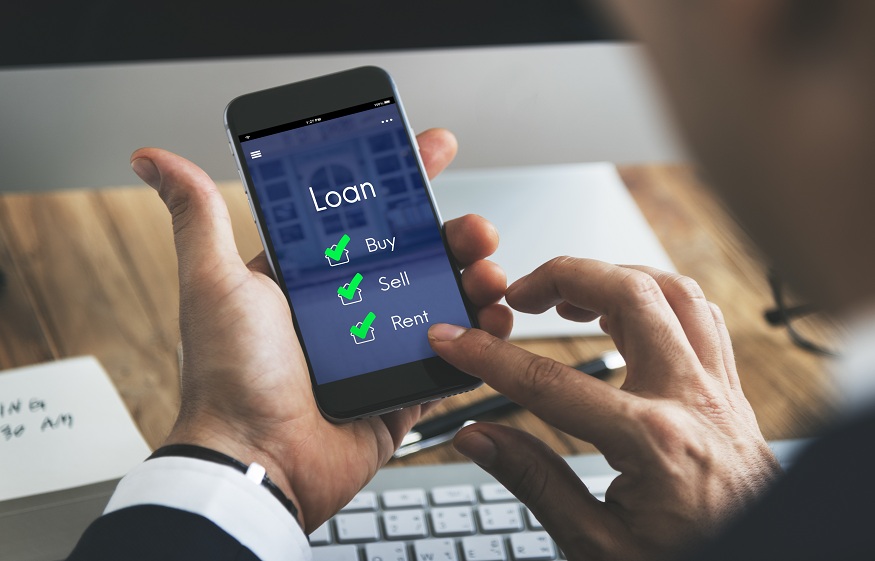
Improvements in technology have opened the door for users to align the management of their loans with daily financial activities. Fintech platforms are facilitating this phenomenon by delivering user-friendly applications that enable such integration. These platforms provide features like automatic payments, reminders, and consolidation options, which simplify the management of both loans and regular expenditures.
For instance, applications that provide personal financial management services can keep track of expenses, notify users of upcoming bill payments, and compute loan repayments based on interest changes. This invention not only frees up time but also empowers users to make more informed financial decisions.
Read More: Why Ease of Access Alone Doesn’t Define the Best Loan
The Psychological Perspective
One can also look at the phenomenon of merging loan planning with everyday payment habits from a psychological standpoint. People’s minds usually like routines and managing finances is no different. By incorporating loan repayments into daily financial activities, users thus have the opportunity to reduce the anxiety that is usually linked to treating financial obligations separately.
Such psychological convenience is quite similar to the way subscription services have been integrated into our lives. Just like with a streaming service that is being continually renewed, users are slowly but surely coming to consider loan repayments as just another habitual monthly transaction. This change is instrumental in lessening the so-called ‘debt fatigue’ that may arise when one is confronted with numerous loans that are difficult to understand and overwhelming.
Real-World Analogies and Data Insights
One way to understand this is to compare it to having a well-organized monthly planner. A planner helps a person to be more efficient with his/her time on a daily basis, and similarly, having loans integrated with regular bill payments is a great way to bring order to one’s financial world. This comparison stands for the unification of payment handling as a step towards a holistic financial vision.
Furthermore, recent figures are pointing to the direction of this trend. According to a report by TransUnion in 2022, digitally savvy consumers in India are more inclined to integrate their financial activities, thus the usage of financial apps has increased drastically. Those who coordinate loan payments with other expenses are reporting higher levels of satisfaction and financial stability.
Challenges and Considerations
The seamless integration of loan planning with daily payments, although bringing a lot of benefits, still has its drawbacks. First, individuals need to display the necessary discipline and foresight while managing their finances. The convenience brought about by automation if not coupled with careful planning may be the cause of financial complacency.
In addition to that, the different kinds of loans may make the users’ task of integrating their finances more difficult. They might be somewhat reluctant to rely heavily on technological tools to the extent of missing out on important details of their loan agreements because they trust too much in the technology.
Embracing the Future of Finance
The merger of loan planning with everyday payment habits is not a passing trend, as we can see, but rather a signal of changing consumer needs in a digitized world. The financial industry can be an enabler of this revolution if it keeps on investing in the promotion of financial literacy and in offering solid technological solutions.
For users to be on board with this trend means them to be vigorously on the lookout for the availability of educational resources and the tools that ease their financial obligations. When used hand in hand with a proactive financial plan, those resources will bring light to the dark corners of loan management and everyday bills, turning “mountains” of the tasks into “molehills”.
Conclusion
The integration of loan planning into the everyday payment habits is a fresh wind that allows individuals to gain control over their financial futures. It summons users to get more financially literate, make use of digital tools, and bring all their financial obligations into one holistic plan.
Summing up the main point, the development of this trend results in a more inclusive and comprehensive approach to personal finance. By loan management integration with routine bill payments, users are able to foster a more organized, less stressful financial life. The future of finance is not only about adjusting to it but also actively shaping it. In the end, financial success in today’s world is far from being only about the making of money, it’s primarily about the wise management of it.